

C-2000® N06200
Main Ingredients
Carbon (C)
≤ 0.01
Manganese (Mn)
≤ 0.5
Nickel (Ni)
balance
Silicon (Si)
≤ 0.08
Phosphorus (P)
≤ 0.025
Sulfur (S)
≤ 0.01
Chromium (Cr)
22.0-24.0
Iron (Fe)
≤ 3.0
Molybdenum (Mo)
15.0-17.0
Copper (Cu)
1.3-1.9
Cobalt (Co)
≤ 2.0
Product features




-
Product Origin
Haynes International (USA)
-
Standards
ASTM B575/ASME SB-575, ASTM B574/ASME SB-574, ASTM B622/ASME SB-622, ASTM B619/ASME SB-619, ASTM B366/ASME SB-366, ASTM B564/ASME SB-564
-
Physical Properties
Density: 8.9g/cm³
Melting Point: 1325-1370 ℃
Magnetism: None
-
Mechanical Properties
Tensile Strength: σb ≥ 690Mpa
Yield Strength σb ≥ 283Mpa
Elongation: δ ≥ 40%
Hardness: ≤ 100 (HRB)
-
Corrosion Resistance
HASTELLOY® C-2000® alloy, developed as an optimized alloy for expanding material applications, originated from a conceptual idea of incorporating copper into the well-established Ni-Cr-Mo alloys. Since its market introduction in late 1995, it has continually received significant market approval due to its inherent versatility.
Technological innovations not only improved the alloy's resistance to water corrosion but also broadened the applicability of the NiCr-Mo alloy family. Designed to resist a broader range of corrosive chemicals—including sulfuric acid, hydrochloric acid, and hydrofluoric acid—C-2000 stands out from earlier Ni-Cr-Mo alloys, which were typically optimized for either oxidizing or reducing environments, but not both. In contrast, C-2000 offers resistance in both types of corrosive media.
This dual capability is achieved through a carefully balanced composition: 16% molybdenum and 1.6% copper provide excellent resistance in reducing media, while 23% chromium ensures resistance to oxidizing agents. As a result, HASTELLOY® C-2000® alloy significantly expands the utility of Ni-Cr-Mo alloys across a range of highly corrosive environments.
Its excellent performance has enabled breakthroughs in chemical processing equipment design, where previous attempts to fully optimize corrosion resistance had only limited success. Traditionally, high chromium content was used to combat oxidizing species such as iron ions, copper ions, and dissolved oxygen, while high molybdenum and tungsten content was needed for resistance to reducing acids like dilute hydrochloric or sulfuric acid. However, metallurgical constraints made it difficult to achieve both simultaneously. C-2000 overcomes this limitation, offering a balanced, stable solution for highly demanding industrial environments.
-
Applications
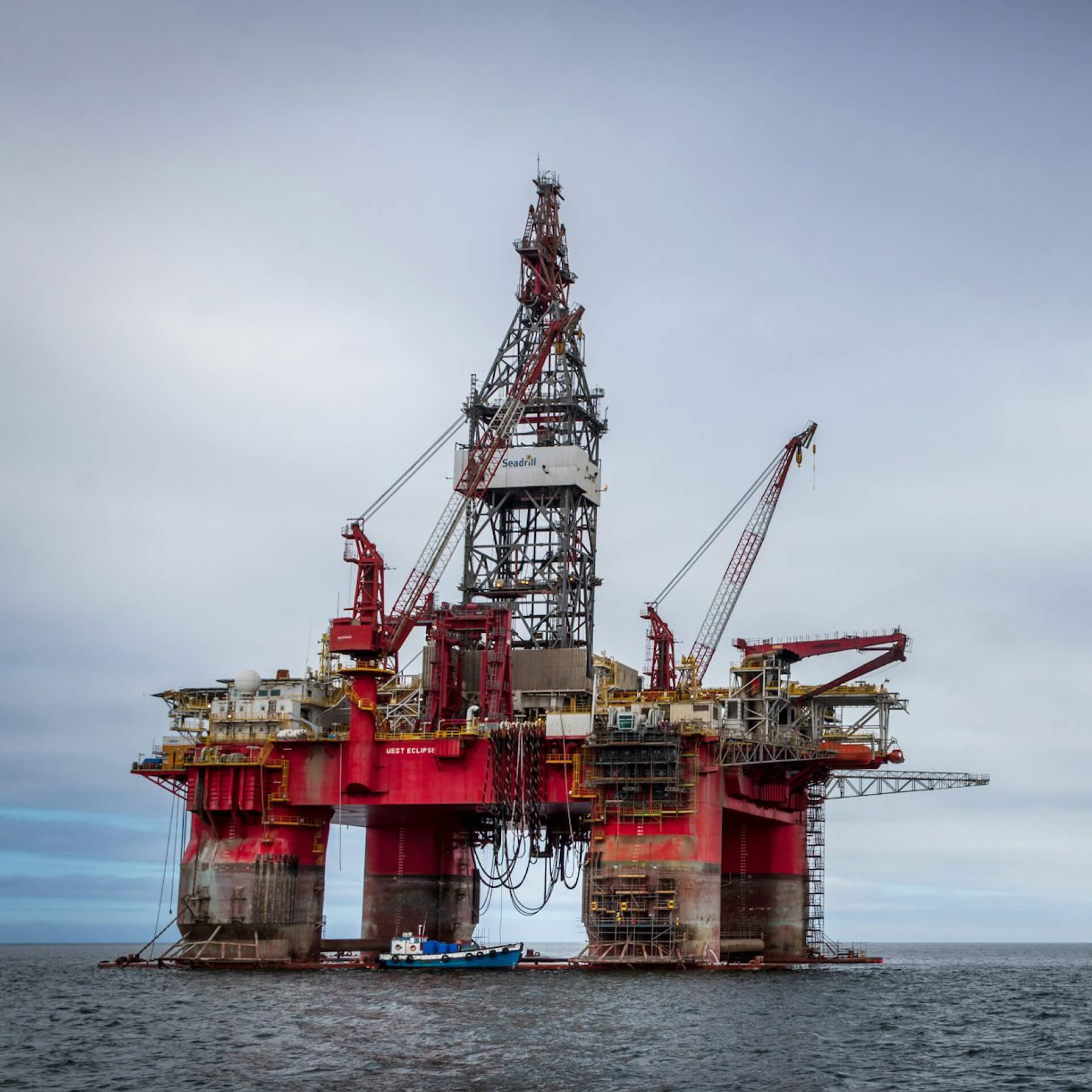
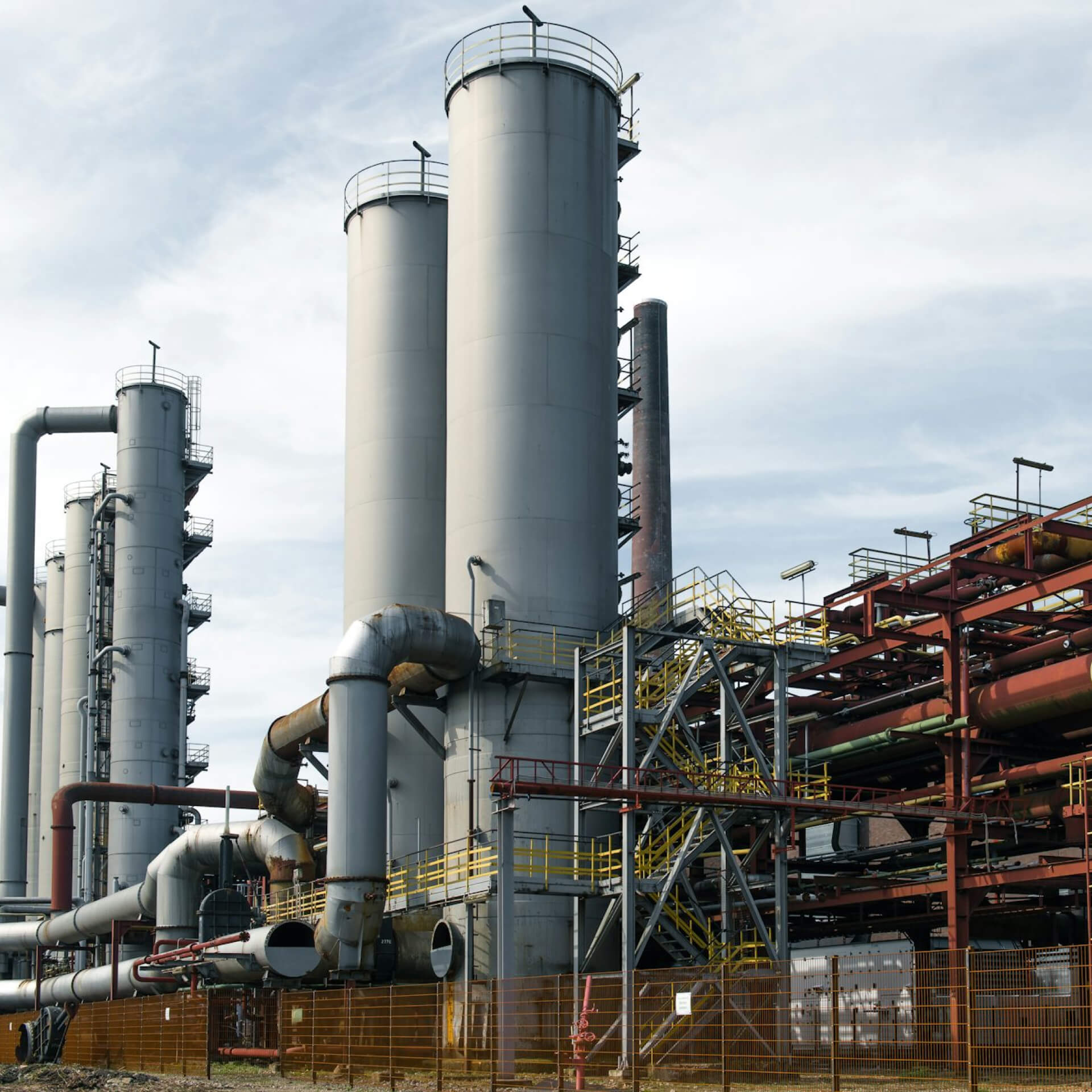
Used in flue gas desulfurization (FGD) in power plants, petrochemical equipment, coal chemical industry, fluorine chemical industry, fine chemical industry, PTA, aerospace manufacturing, marine platforms, seawater desalination, papermaking machinery, pharmaceutical equipment, heat exchange equipment, electrochemistry, metallurgy, nuclear energy, chlor-alkali, shipbuilding, cement manufacturing, composite plates, acetic acid, acetate, salt making, plate heat exchangers, bellows expansion joints, and other industries and products.
-
Matching Welding Materials
ERNiCrMo-17 welding wire, ENiCrMo-17 welding rod
-
Supply Styles
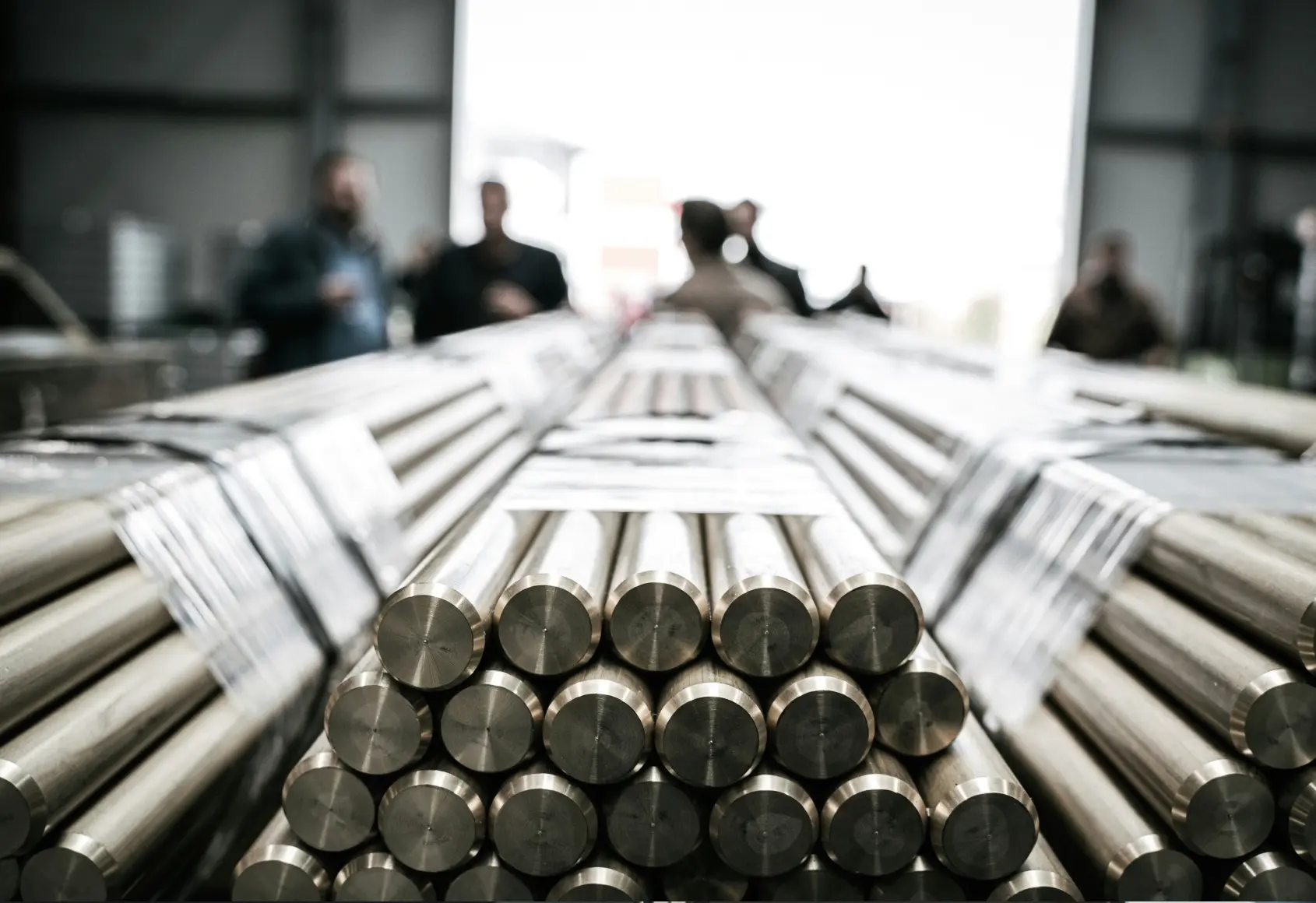
Sheet, strip, rod, wire, forgings, bright bars, welding materials, flanges, etc., can be processed according to drawings.
Our Partners








Get in Touch