Inventory Details

310S® 2520

Main Ingredients

Carbon (C)

≤ 0.08

Manganese (Mn)

≤ 2.0

Nickel (Ni)

19.0~20.0

Silicon (Si)

≤ 1.5

Chromium (Cr)

24.0~26.0

Sulfur (Mo)

≤ 0.030

Phosphorus (P)

≤ 0.045

Product features

Hms 01
Hms 02
Hms 03
Hms 04
Hms 05
  • Product Origin

    Sweden Outokumpu/South Africa/Japan Nippon Steel

  • Execution Standard

    ASTM A240/ASME SA-240, ASTM A276, ASTM A182/ASME SA-182, ASTM A312/ASMES A312

  • Physical Properties

    310S stainless steel has excellent high-temperature resistance. It begins to soften when the temperature exceeds 800°C, and allowable stress starts to decrease continuously. The maximum service temperature is 1200°C. Due to its high nickel (Ni) and chromium (Cr) content, it has good oxidation resistance, corrosion resistance, acid and alkali resistance, and high-temperature resistance. High-temperature stainless steel pipes are used specifically for manufacturing electric furnace tubes. After increasing the carbon content in austenitic stainless steel, its strength is enhanced due to solid solution strengthening. The chemical composition characteristics of austenitic stainless steel are based on chromium (Cr) and nickel (Ni) with the addition of elements such as molybdenum (Mo), tungsten (W), niobium (Nb), and titanium (Ti). Its structure is face-centered cubic, thus exhibiting high strength and creep strength at high temperatures.

  • Mechanical Properties

    Tensile Strength: σb ≥ 515Mpa

    Yield Strength σb ≥ 205Mpa

    Elongation: δ ≥ 35%

    Hardness ≤ 310 (HB)

  • Corrosion Resistance

    310S stainless steel has excellent high-temperature resistance as well as resistance to overall corrosion from weak acids such as formic or acetic acid. It begins to soften when the temperature exceeds 800°C, and allowable stress starts to decrease continuously. The maximum service temperature is 1200°C. Due to its high nickel (Ni) and chromium (Cr) content, it has good oxidation resistance, corrosion resistance, acid and alkali resistance, and high-temperature resistance. High-temperature stainless steel pipes are used specifically for manufacturing electric furnace tubes. After increasing the carbon content in austenitic stainless steel, its strength is enhanced due to solid solution strengthening. The chemical composition characteristics of austenitic stainless steel are based on chromium (Cr) and nickel (Ni) with the addition of elements such as molybdenum (Mo), tungsten (W), niobium (Nb), and titanium (Ti). Its structure is face-centered cubic, thus exhibiting high strength and creep strength at high temperatures.

  • Application Fields

    Petroleum, electronics, chemical industry, pharmaceuticals, textiles, food, machinery, construction, nuclear power, aerospace, military, etc.

  • Matching Welding Materials

    ER310

  • Supply Styles

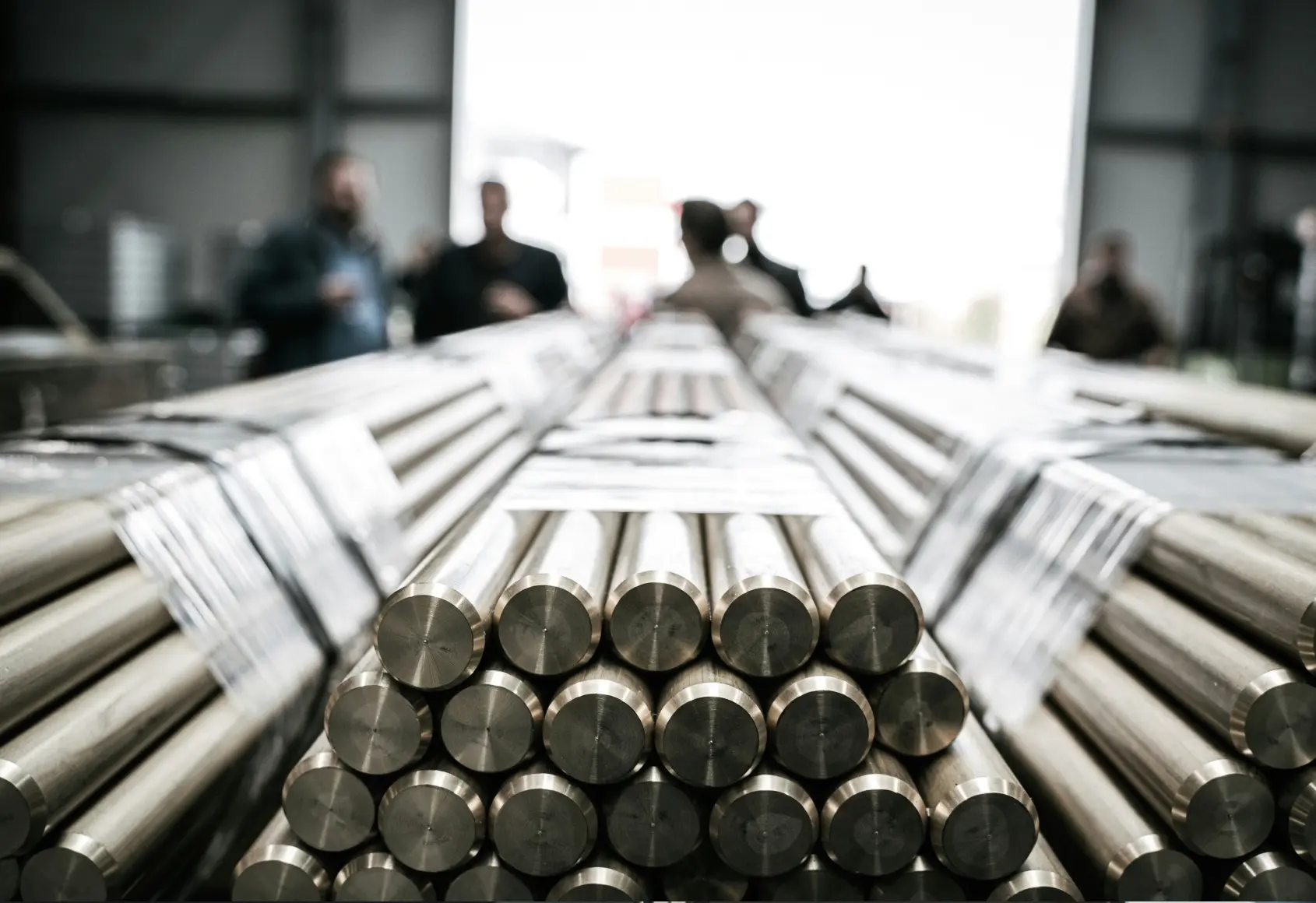
    Plate

Our Partners
Outokumpu
South africa
Nippon steel

Aerospace and Aviation

Our materials jointly fend off corrosion from high-altitude moisture, fuel residues, and extreme atmospheric conditions, endure intense temperatures and extreme pressure changes, fit both core operations and routine equipment needs, ensuring safe flight operations, minimal maintenance demands, and long-lasting reliability for commercial jets, military aircraft, and spacecraft.

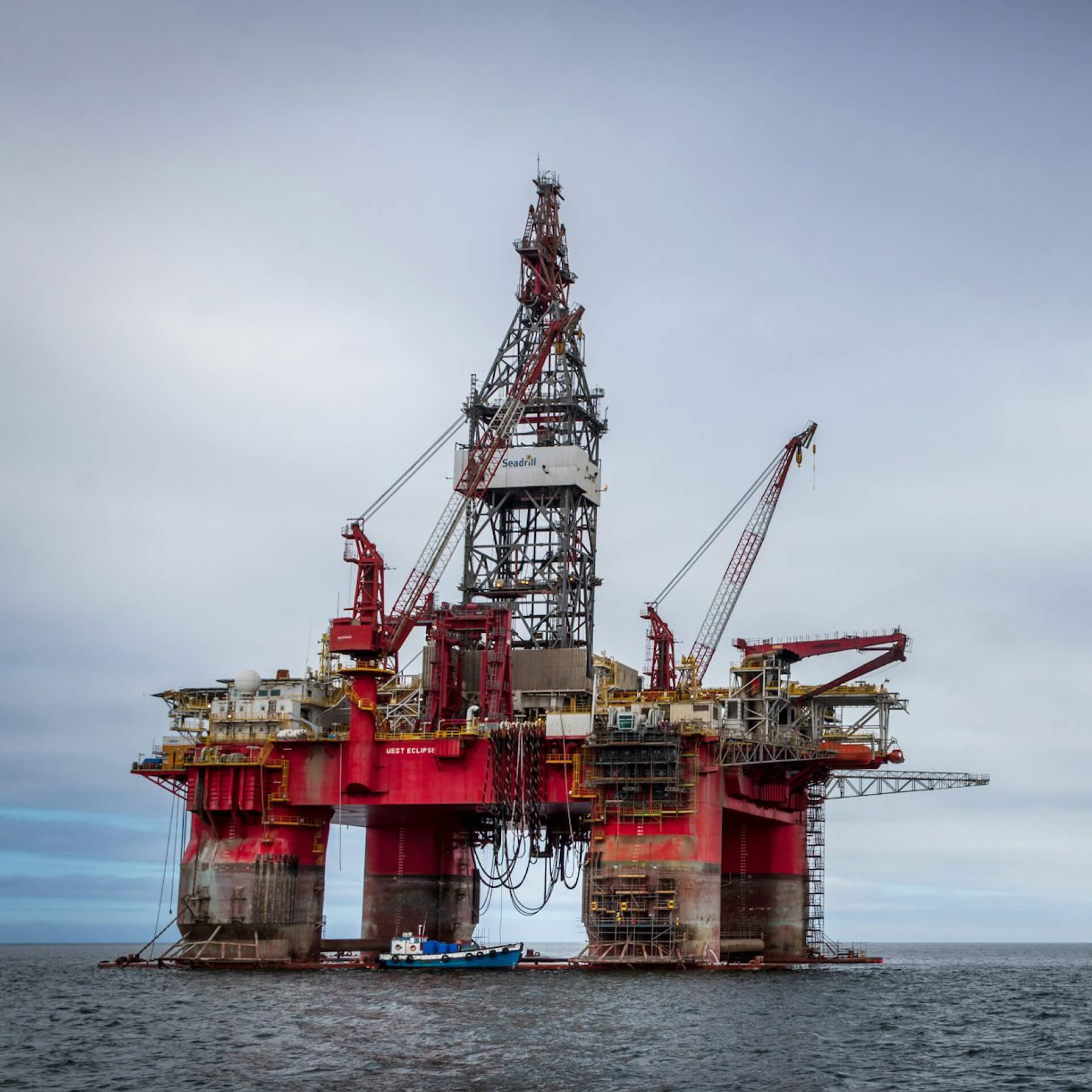
Marine Engineering

Our materials collectively resist corrosion from saltwater, seawater mist, and marine organisms, withstand extreme temperatures and pressure fluctuations, suit both critical operations and general equipment needs, ensuring safe marine operations, low-maintenance costs, and long-lasting industrial performance in harsh ocean environments.

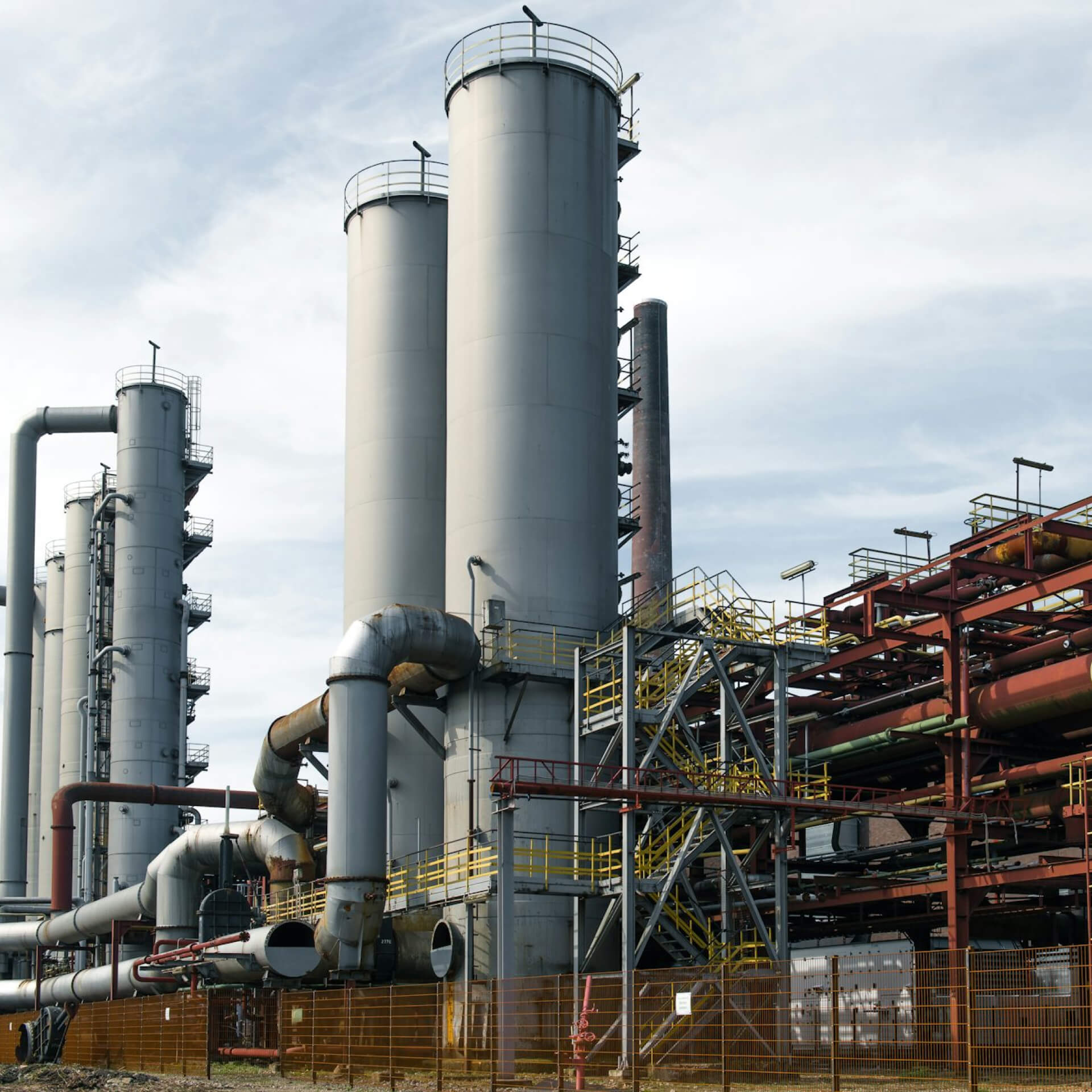
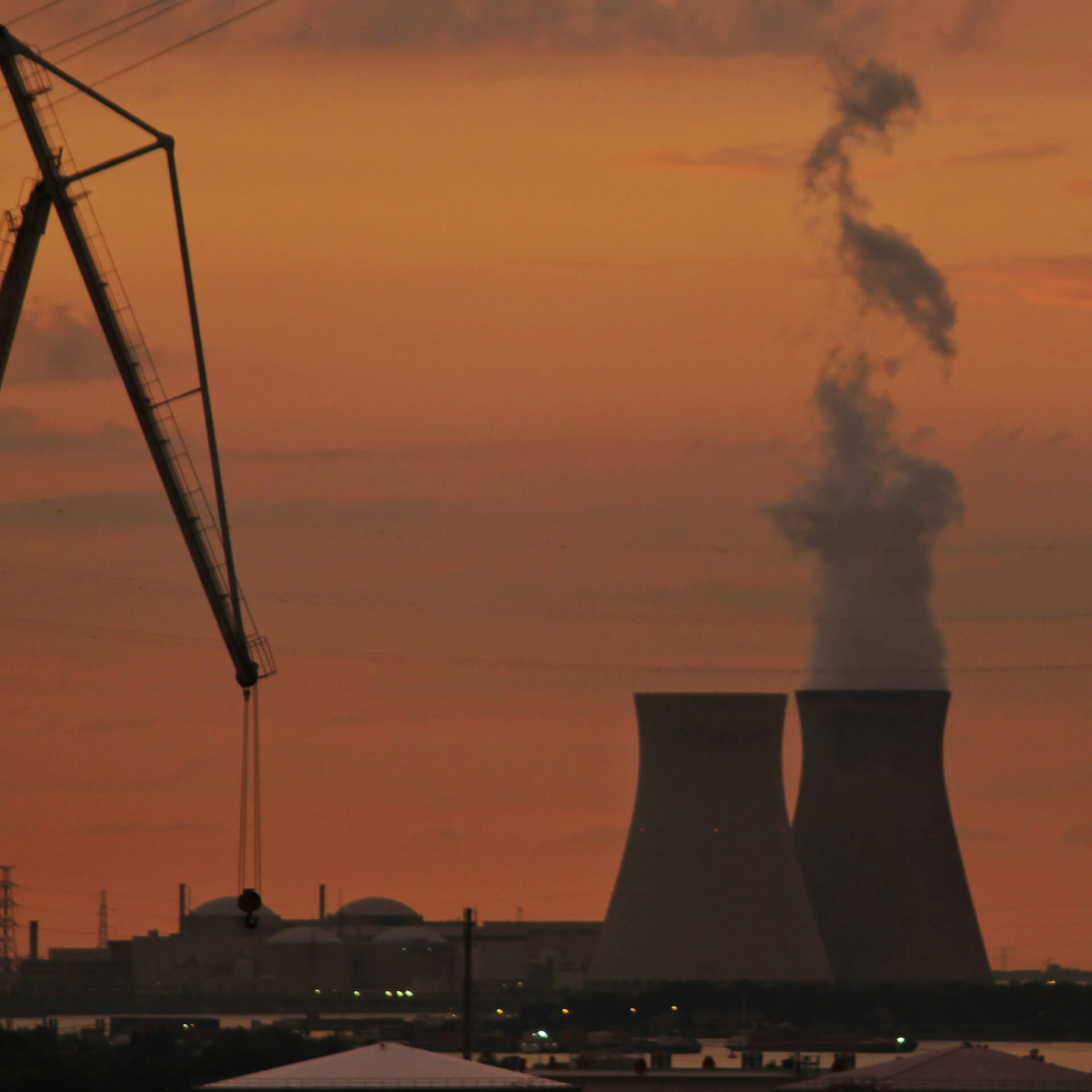
Petrochemical industry

Our materials collectively resist corrosion from harsh substances like acids and chlorides, and withstand high temperatures in demanding processes. These materials suit both critical operations and general equipment needs to ensure safe, low-maintenance, and long-lasting industrial operations.

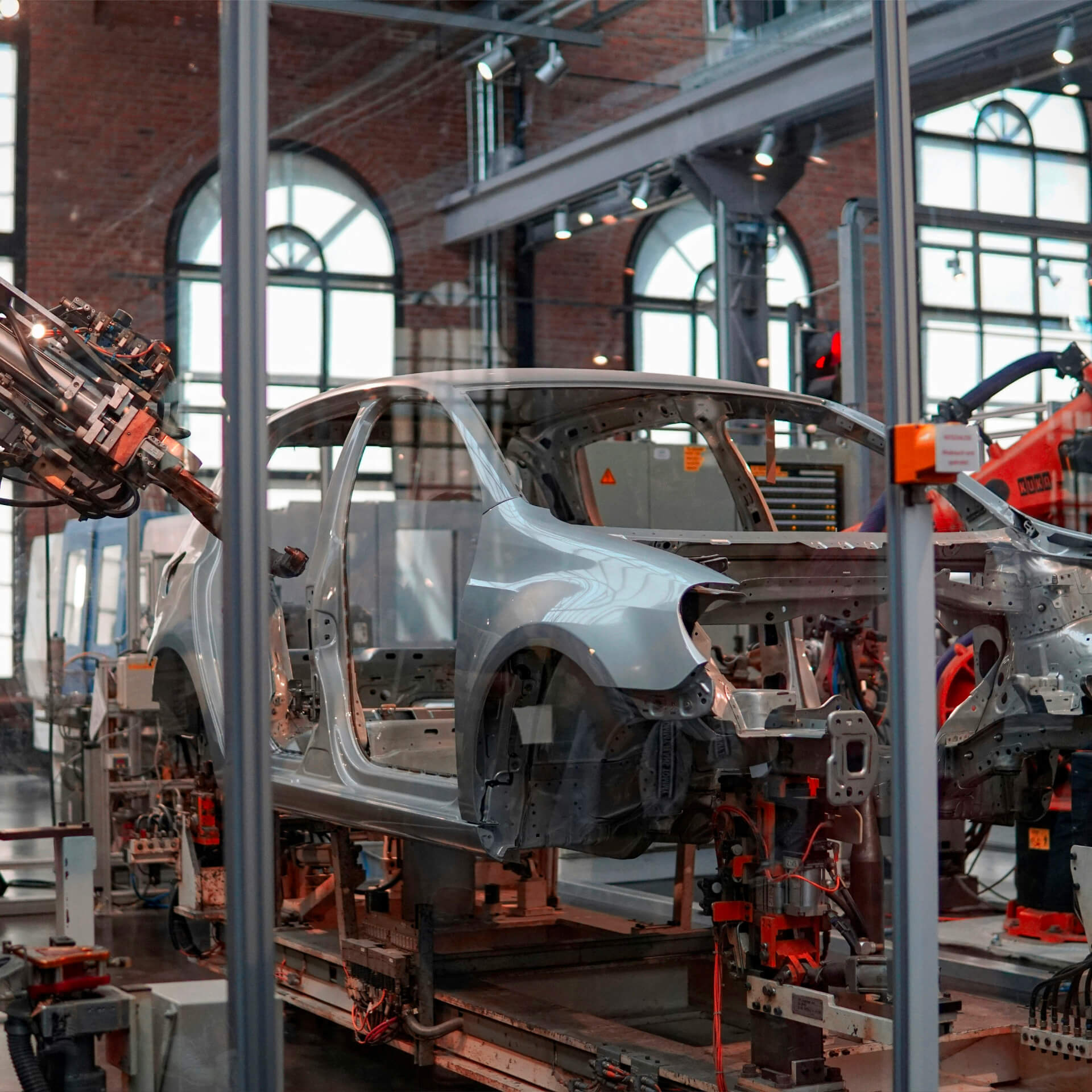
Automotive

Our materials collectively resist corrosion from road salts, moisture, and engine fluids, withstand high temperatures in powertrain and exhaust systems, suit both critical operations and general equipment needs, ensuring safe vehicle performance, low-maintenance requirements, and long-lasting durability under daily driving and harsh road conditions.

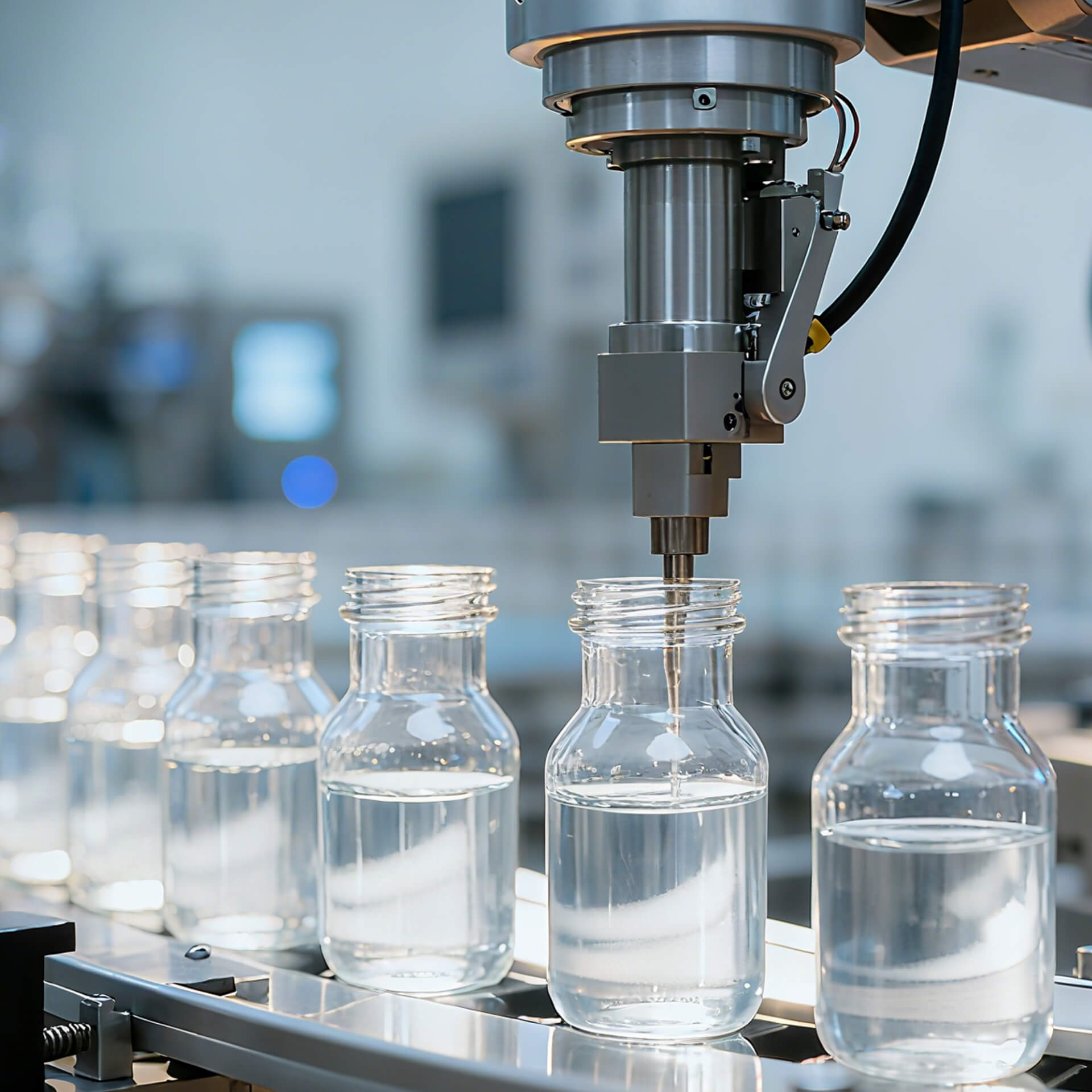
Biopharmaceuticals

Our materials collectively resist corrosion from harsh bioprocess fluids, withstand stable temperatures in precise production processes, suit both critical operations and general equipment needs, ensure safe drug production, low-maintenance facility running, and long-lasting industrial operations that meet strict regulatory standards.

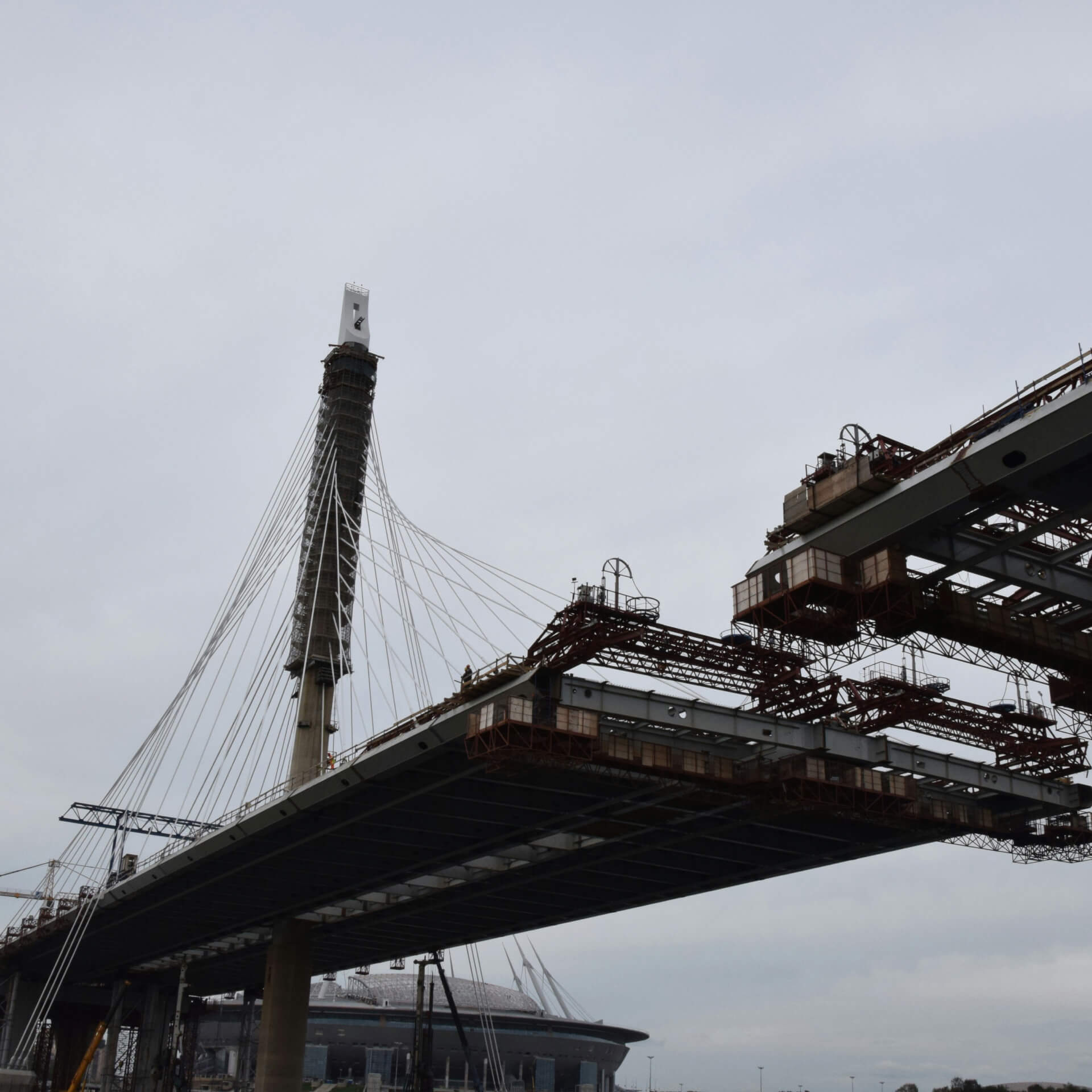
Construction & Infrastructure

Our materials jointly fend off corrosion caused by rainfall, dampness, and urban contaminants—key for withstanding outdoor exposure—bear heavy weights and harsh weather, fit both vital applications and everyday equipment uses, guaranteeing safe infrastructure operation, reduced upkeep expenses, and enduring structural reliability for public and commercial developments.

Electronics

Our materials jointly resist corrosion from moisture, dust, and chemical coolants, endure stable temperatures in high-heat components, fit both core operations and routine equipment needs, ensuring reliable electronic performance, reduced maintenance efforts, and long-lasting durability for consumer gadgets, industrial controls, and telecom hardware.

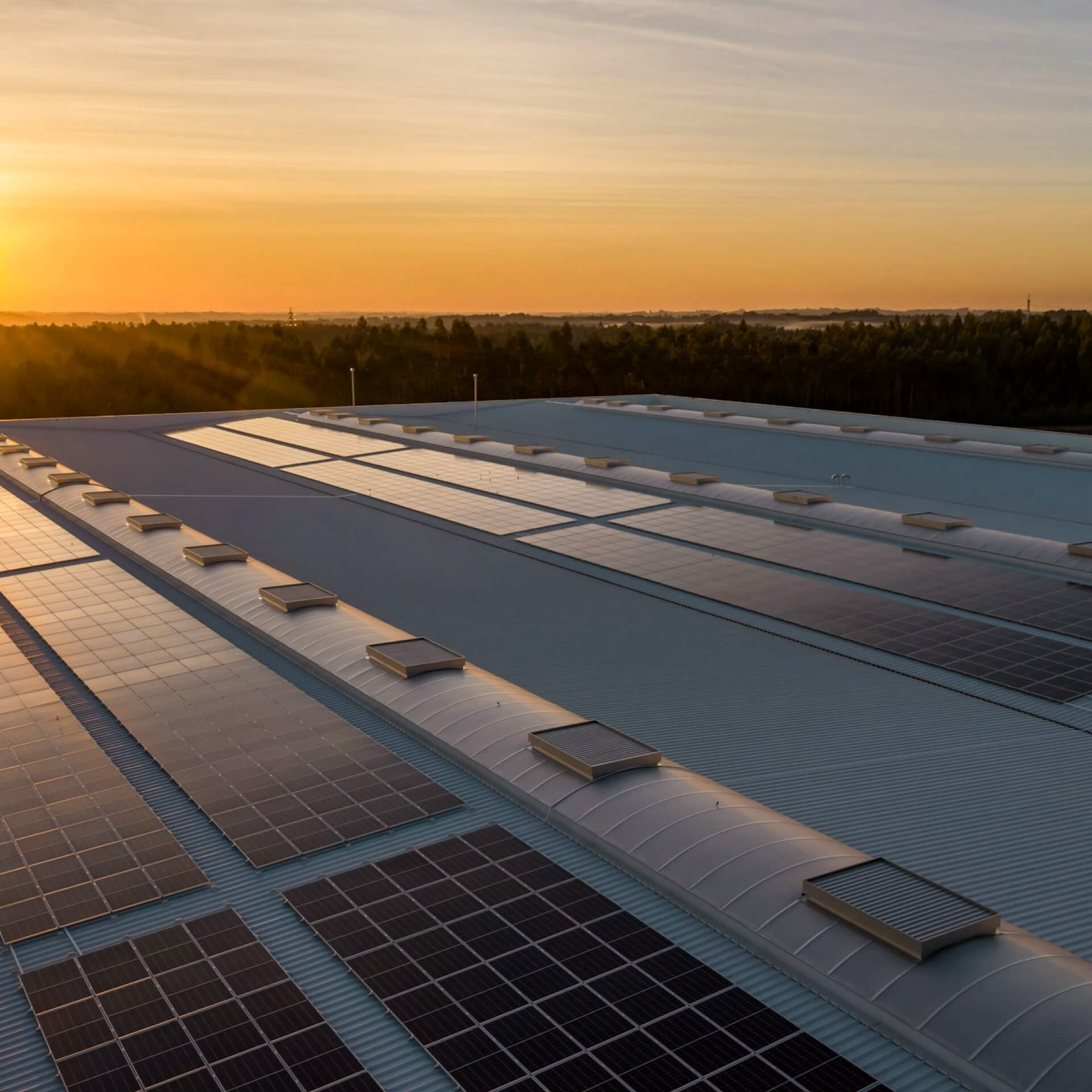
Energy Industry

Our materials jointly ward off corrosion from fuel byproducts, high-pressure fluids, and environmental elements, endure extreme temperatures in power generation and transmission, fit both core operations (oil/gas well casings, renewable energy hardware) and routine equipment needs, ensuring safe energy production/transmission, cut maintenance costs, and long-term reliability across fossil fuel and clean energy sectors.

Environmental industry

Our materials collectively resist corrosion from industrial waste, acidic/alkaline effluents, and chemical treatments, withstand temperature variations in waste processing and water treatment systems, suit both critical operations and general equipment needs, ensuring safe environmental remediation, low-maintenance facility upkeep, and long-lasting performance in waste management and sustainability-focused processes.

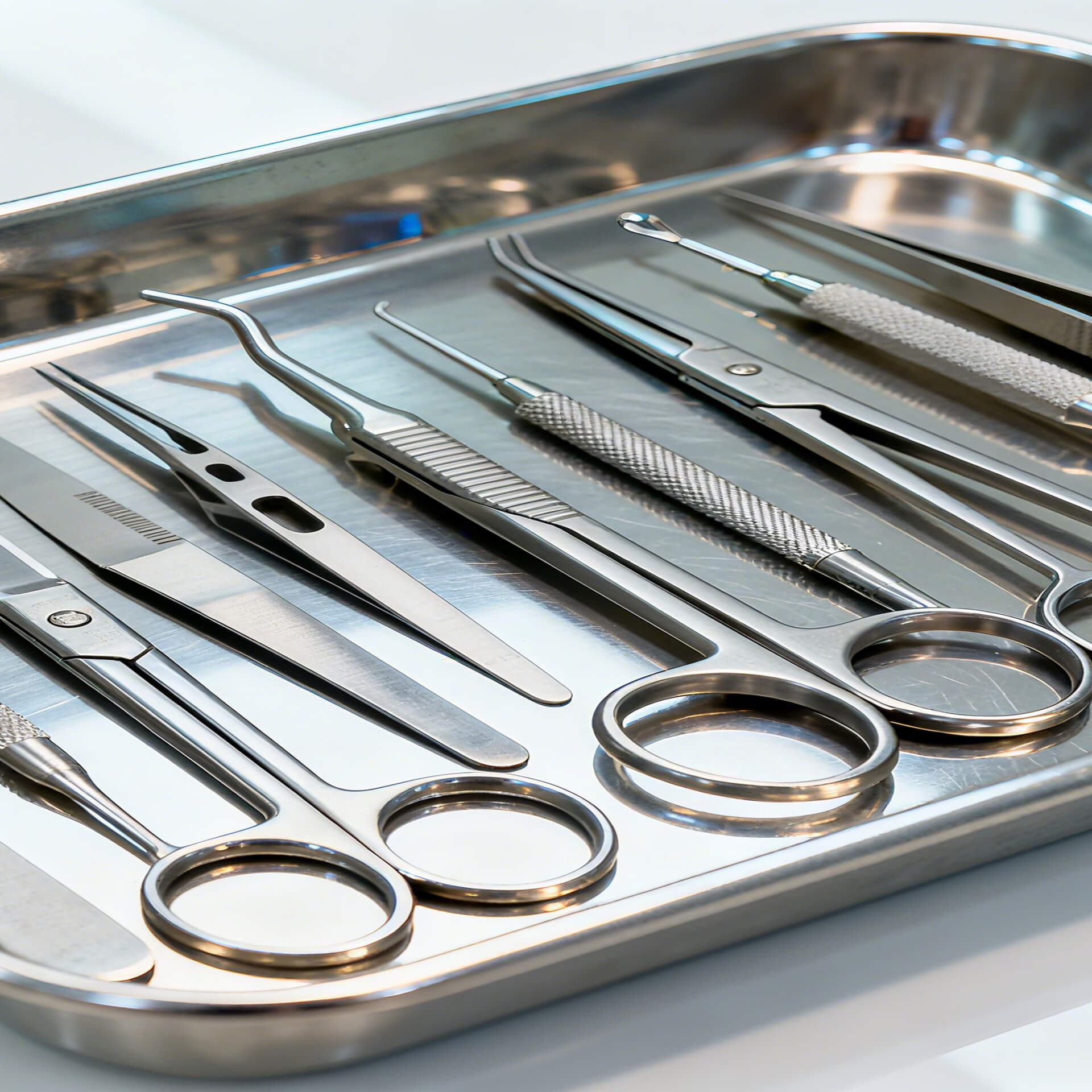
Medical

Our materials collectively resist corrosion from sterilizing agents and bodily fluids, maintain structural stability in precision medical devices, suit both critical operations and general equipment needs, ensure safe patient care, low-maintenance device upkeep, and long-lasting performance that meets strict medical regulatory standards.

Aerospace and Aviation
Marine Engineering
Petrochemical industry
Automotive
Biopharmaceuticals
Construction & Infrastructure
Electronics
Energy Industry
Environmental industry
Medical
Aerospace and aviation
Marine engineering
Petrochemical industry
Automotive
Bipharmaceuticals
Construction & infrastructure
Electronics
Energy industry
Environmental industry
Medical

Get in Touch

Contact Us

What materials are you looking for?