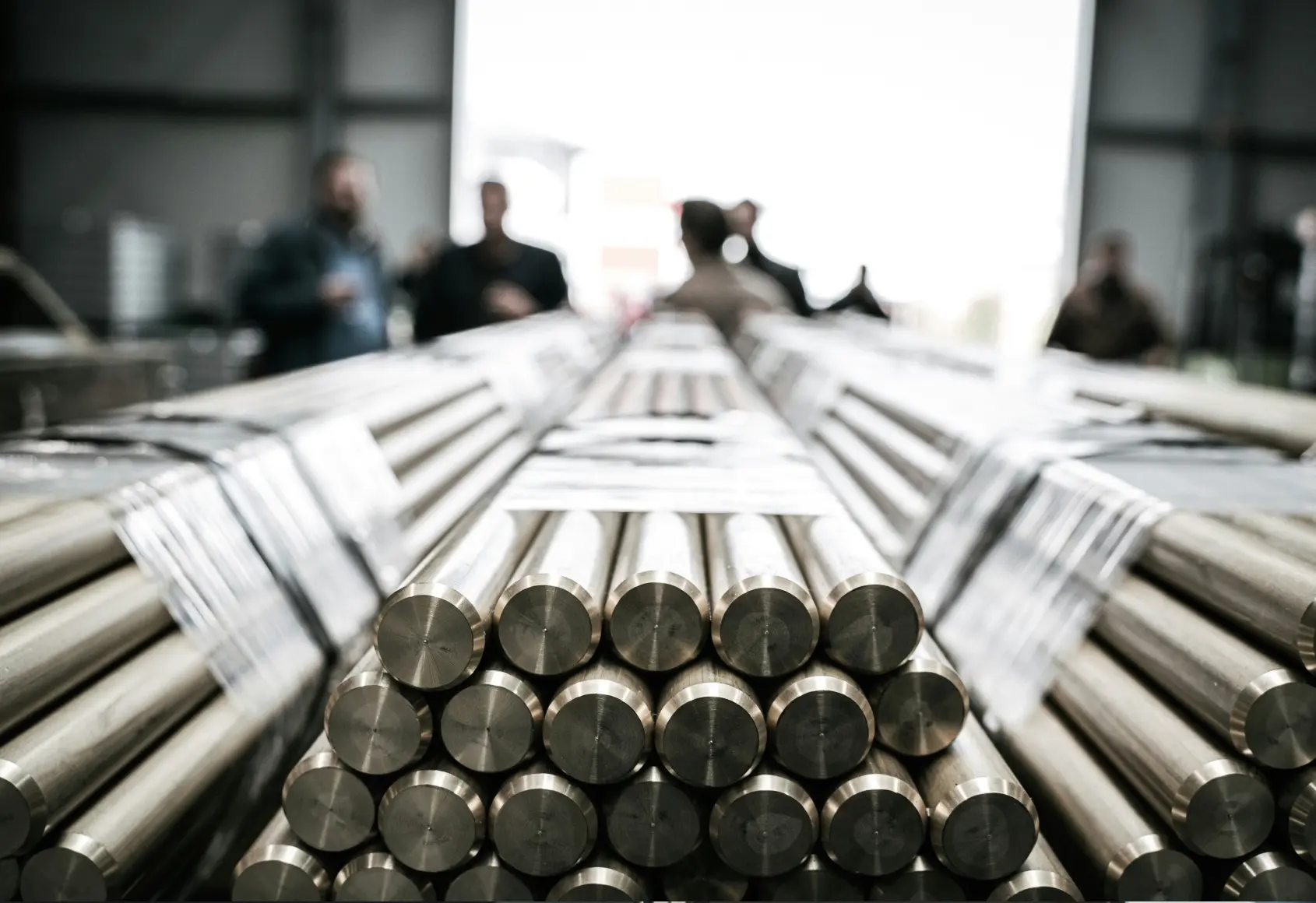
Inventory Details

254SMO® S31254

Main Ingredients

Carbon (C)

≤ 0.02

Manganese (Mn)

≤ 1.00

Nickel (Ni)

17.5-18.5

Silicon (Si)

≤ 0.8

Phosphorus (P)

≤ 0.03

Sulfur (S)

≤ 0.01

Chromium (Cr)

19.5-20.5

Copper (Cu)

0.5-1.0

Molybdenum (Mo)

6.0-6.5

Nitrogen (N)

0.18-0.22

Product features

Hms 01
Hms 02
Hms 03
Hms 04
Hms 05
  • Product Origin

    Nippon Steel (Japan), JYK (Japan), Outokumpu (Sweden), JISCO (China)

  • Standards

    ASTM A240/ASME SA-240, ASTM A276, ASTM A182/ASME SA-182, ASTM A312/ASMES A312

  • Physical Properties

    Density: 8.24g/cm³

    Melting Point: 1320-1390 ℃

    Magnetism: None

  • Mechanical Properties

    Tensile Strength: σb ≥ 655Mpa

    Yield Strength σb ≥ 310Mpa

    Elongation: δ ≥ 35%

    Hardness: 182-223 (HB)

  • Corrosion Resistance

    254SMO stainless steel is a highly corrosion-resistant super austenitic stainless steel developed for environments containing halides and acids. Designed to withstand aggressive chloride-rich conditions such as seawater and high-concentration chloride ion media, it offers exceptional corrosion resistance where conventional stainless steels fail. In industrial applications involving acidic media—particularly acids containing halides—254SMO significantly outperforms standard stainless steels, and in many cases, it rivals the performance of Hastelloy and titanium. Its low carbon content and high molybdenum content provide excellent resistance to pitting, crevice corrosion, and intergranular corrosion, making it especially reliable in demanding chemical environments.


    It is a cost-effective stainless steel widely used in chemical, desulfurization, and other fields at home and abroad. In pure sulfuric acid, 254SMO shows significantly better corrosion resistance than 316L stainless steel. However, in high concentrations of sulfuric acid, its performance is slightly below that of 904L (NO8904). Notably, in sulfuric acid containing chloride ions, 254SMO provides the highest level of corrosion resistance among stainless steels. While 316L cannot be used in hydrochloric acid due to its susceptibility to both localized and uniform corrosion, 254SMO can be safely used in diluted hydrochloric acid at ambient temperatures. Pitting corrosion is generally not a concern below the critical temperature-pH boundary, though crevices should be avoided to maintain integrity.

    In environments containing hydrofluoric acid (HF) and fluorosilicic acid (H₂SiF₄), where conventional stainless steels offer limited protection, 254SMO performs well across a wide range of concentrations and temperatures.

  • Applications

    Petroleum and petrochemical equipment, such as corrugated tubes in petrochemical equipment, pulp and paper bleaching equipment, such as pulp cookers, bleaching equipment, barrels and pressure rollers for filtration and washing, desulfurization equipment in power plants, including tower bodies, flues, damper plates, internals, spray systems, offshore systems or seawater treatment, such as thin-walled condenser pipes cooled by seawater in power plants, seawater desalination equipment, and can also be used in equipment where seawater may not flow, desalination industry, such as salt or desalination equipment, heat exchangers, especially in heat exchangers working environments with chloride ions.

  • Matching Welding Materials

    High-alloy 625 series welding materials are recommended, namely ERNiCrMo-3 welding wire, ENiCrMo-3 welding rod, available in sizes Φ1.0, 1.2, 2.4, 3.2, 4.0.

  • Supply Styles

    Sheet, strip, rod, wire, forgings, bright bars, welding materials, flanges, etc., can be processed according to drawings.

Our Partners

Nippon steel
Jfe
Outokumpu
Jisco

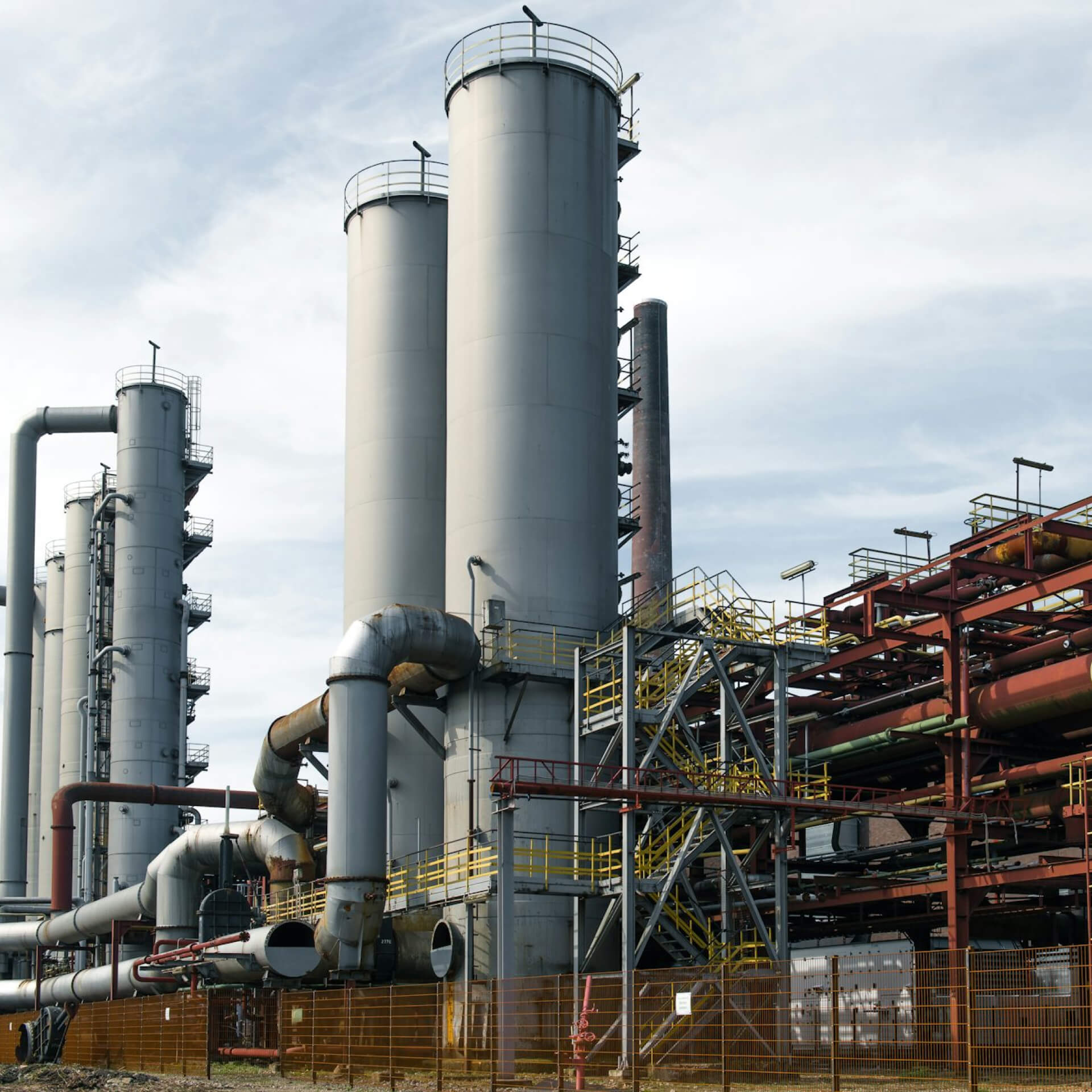
Petrochemical industry

Our materials collectively resist corrosion from harsh substances like acids and chlorides, and withstand high temperatures in demanding processes. These materials suit both critical operations and general equipment needs to ensure safe, low-maintenance, and long-lasting industrial operations.

Automotive

Our materials collectively resist corrosion from road salts, moisture, and engine fluids, withstand high temperatures in powertrain and exhaust systems, suit both critical operations and general equipment needs, ensuring safe vehicle performance, low-maintenance requirements, and long-lasting durability under daily driving and harsh road conditions.

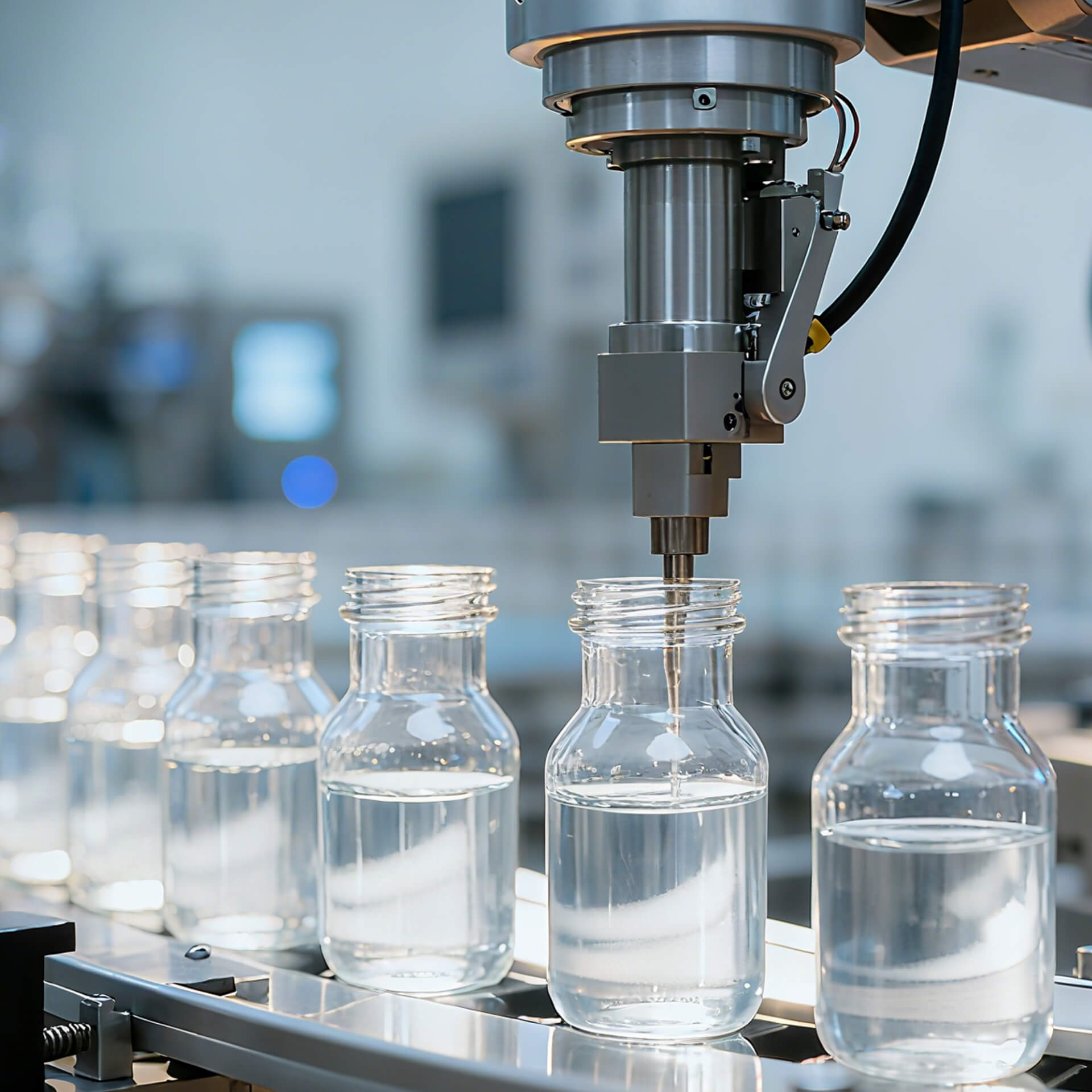
Biopharmaceuticals

Our materials collectively resist corrosion from harsh bioprocess fluids, withstand stable temperatures in precise production processes, suit both critical operations and general equipment needs, ensure safe drug production, low-maintenance facility running, and long-lasting industrial operations that meet strict regulatory standards.

Construction & Infrastructure

Our materials jointly fend off corrosion caused by rainfall, dampness, and urban contaminants—key for withstanding outdoor exposure—bear heavy weights and harsh weather, fit both vital applications and everyday equipment uses, guaranteeing safe infrastructure operation, reduced upkeep expenses, and enduring structural reliability for public and commercial developments.

Electronics

Our materials jointly resist corrosion from moisture, dust, and chemical coolants, endure stable temperatures in high-heat components, fit both core operations and routine equipment needs, ensuring reliable electronic performance, reduced maintenance efforts, and long-lasting durability for consumer gadgets, industrial controls, and telecom hardware.

Aerospace and Aviation

Our materials jointly fend off corrosion from high-altitude moisture, fuel residues, and extreme atmospheric conditions, endure intense temperatures and extreme pressure changes, fit both core operations and routine equipment needs, ensuring safe flight operations, minimal maintenance demands, and long-lasting reliability for commercial jets, military aircraft, and spacecraft.

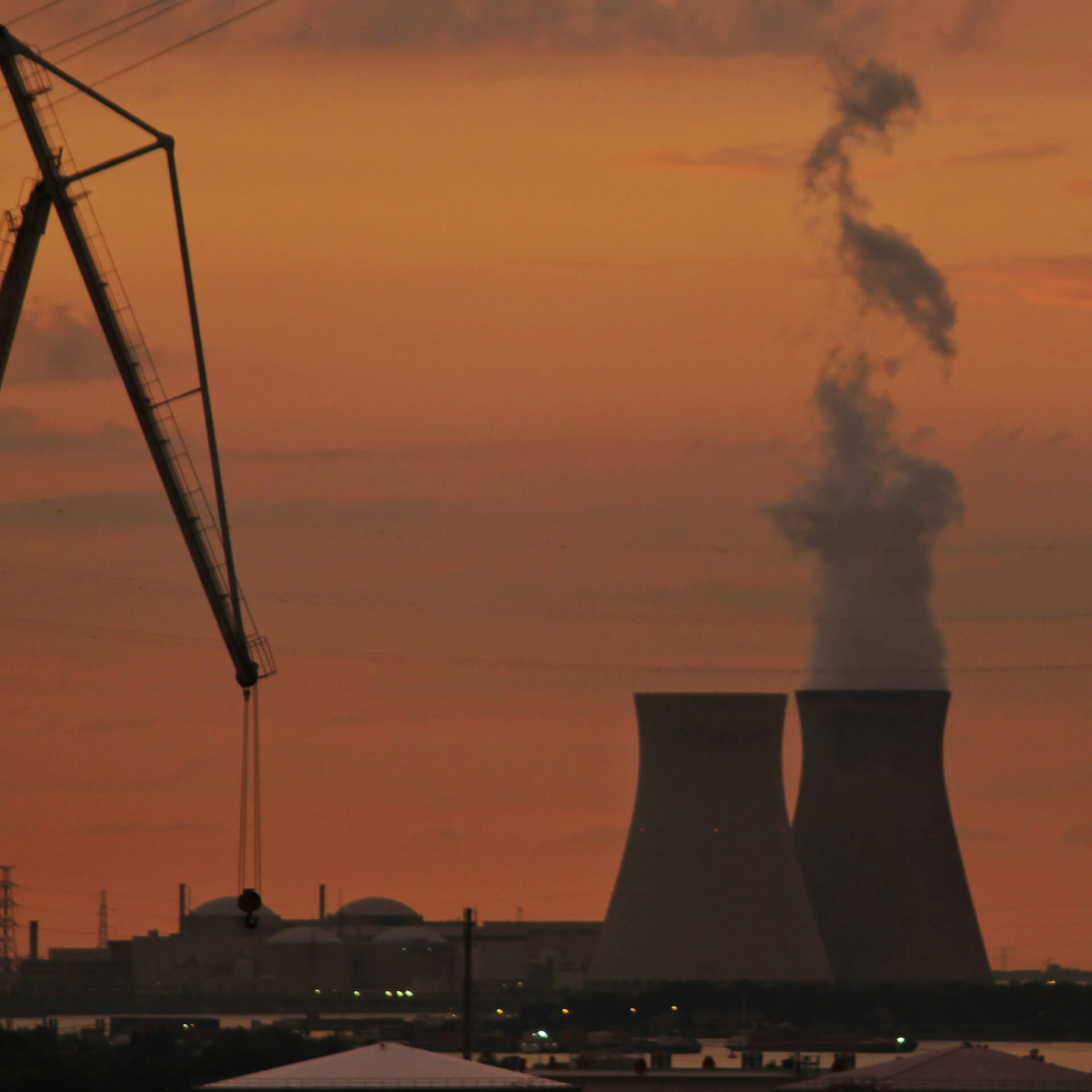
Energy Industry

Our materials jointly ward off corrosion from fuel byproducts, high-pressure fluids, and environmental elements, endure extreme temperatures in power generation and transmission, fit both core operations (oil/gas well casings, renewable energy hardware) and routine equipment needs, ensuring safe energy production/transmission, cut maintenance costs, and long-term reliability across fossil fuel and clean energy sectors.

Environmental industry

Our materials collectively resist corrosion from industrial waste, acidic/alkaline effluents, and chemical treatments, withstand temperature variations in waste processing and water treatment systems, suit both critical operations and general equipment needs, ensuring safe environmental remediation, low-maintenance facility upkeep, and long-lasting performance in waste management and sustainability-focused processes.

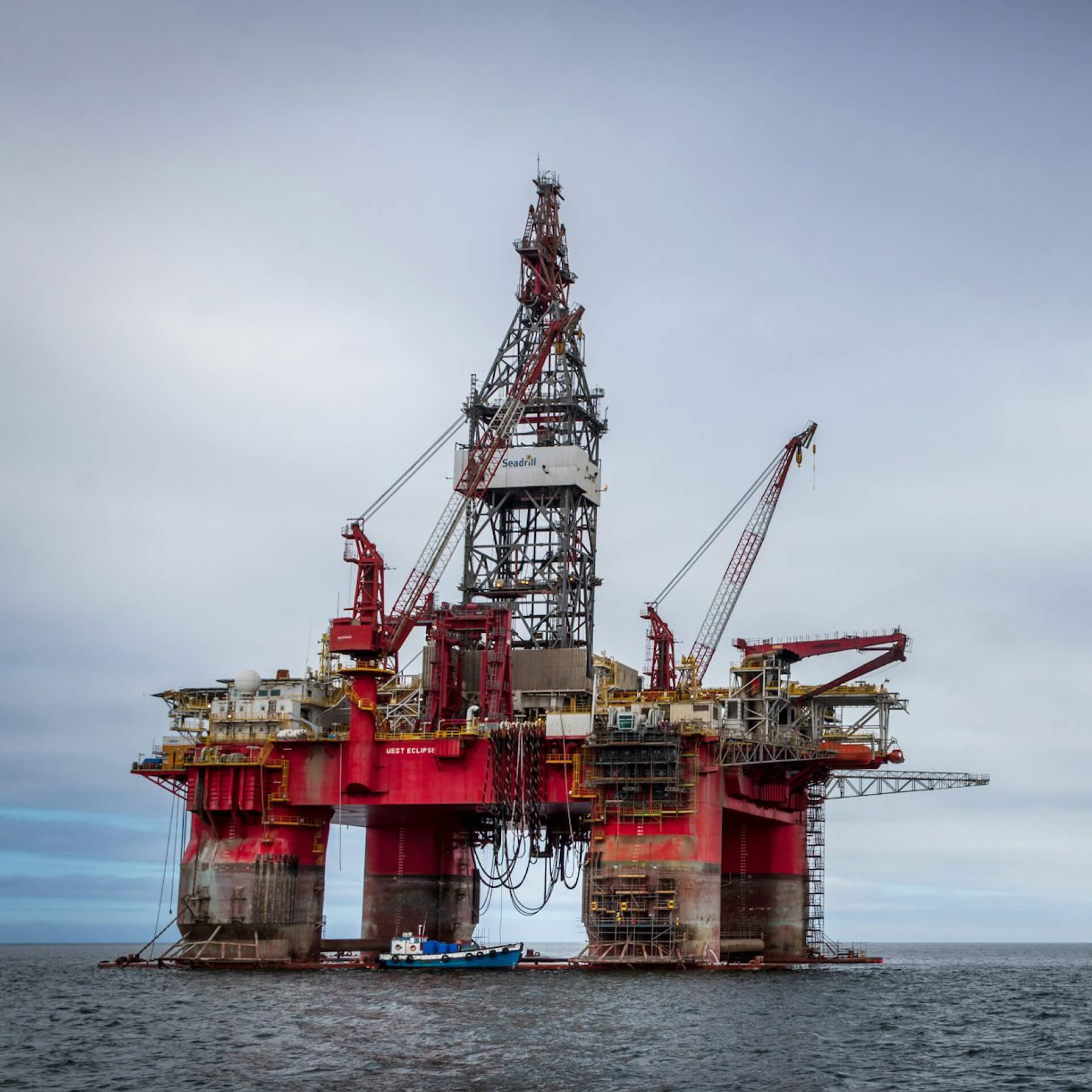
Marine Engineering

Our materials collectively resist corrosion from saltwater, seawater mist, and marine organisms, withstand extreme temperatures and pressure fluctuations, suit both critical operations and general equipment needs, ensuring safe marine operations, low-maintenance costs, and long-lasting industrial performance in harsh ocean environments.

Medical

Our materials collectively resist corrosion from sterilizing agents and bodily fluids, maintain structural stability in precision medical devices, suit both critical operations and general equipment needs, ensure safe patient care, low-maintenance device upkeep, and long-lasting performance that meets strict medical regulatory standards.

Petrochemical industry
Automotive
Biopharmaceuticals
Construction & Infrastructure
Electronics
Aerospace and Aviation
Energy Industry
Environmental industry
Marine Engineering
Medical
Petrochemical industry
Automotive
Bipharmaceuticals
Construction & infrastructure
Electronics
Aerospace and aviation
Energy industry
Environmental industry
Marine engineering
Medical

Get in Touch

Contact Us

What materials are you looking for?